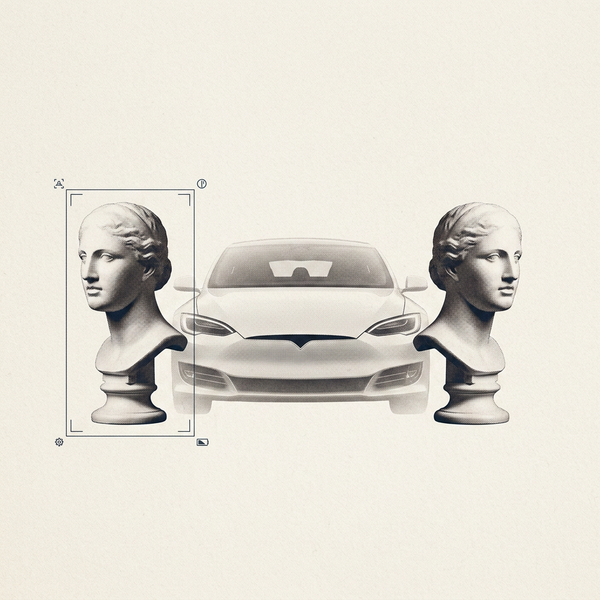
The brightest minds go where their jobs will still be there tomorrow.
In the face of uncertainty surrounding AI, work force protection may be THE magnet for talent. So: what would you do when you were 20ish and plan your life?


It starts with a man in Hangzhou walking to work in the morning and holding a termination letter by evening—not because he did his job poorly, but because an AI could suddenly do it cheaper. Zhou, the "question quality inspector," reviews outputs for errors and data protection, a role now deemed redundant. The court says: No. Not like this. The AI may come, but it can’t push people out the back door. Progress, yes—but not at the expense of those who made it possible in the first place.
The reflexive response is always the same: protection slows progress. But in a world where no one can be sure their job will still exist in two years, the question of who catches you when you fall becomes everything. The skill matrix of tomorrow’s labor market isn’t just about abilities—it’s about the certainty that those abilities won’t become worthless overnight. Protection isn’t a brake. It’s the magnet that draws—and keeps—the brightest minds.
Two markets: One says we automate, and those who can’t keep up are left behind. The other says we automate, but we walk with you, retrain you, leave no one stranded. Which one attracts better talent? People go where they feel secure—not out of fear, but out of intelligence. Brain drain isn’t a phenomenon of the weak; it’s the logical outcome of a world where those who can choose the place where they’ll still be needed tomorrow.
Europe has a chance here—not as a brake, but as a pioneer. New European Techno-Humanism isn’t some romantic notion; it’s a strategic choice: a market that uses technology without sacrificing its people. Those who invest here aren’t just betting on algorithms—they’re betting on the certainty that the people building them will still be there tomorrow, as co-creators, not supplicants.
The question isn’t whether AI will replace jobs. It’s who controls how that happens. The Hangzhou ruling shows there’s another way. The choice isn’t between progress and stagnation—it’s between a market that drops its people and one that carries them.
So: you’re twenty-something, mapping out your life in a world where no career path feels certain. Where do you plant yourself? Somewhere that treats your skills like a disposable commodity—or somewhere that treats them like an investment in you? The answer isn’t just about where you’ll work. It’s about where you’ll still belong.